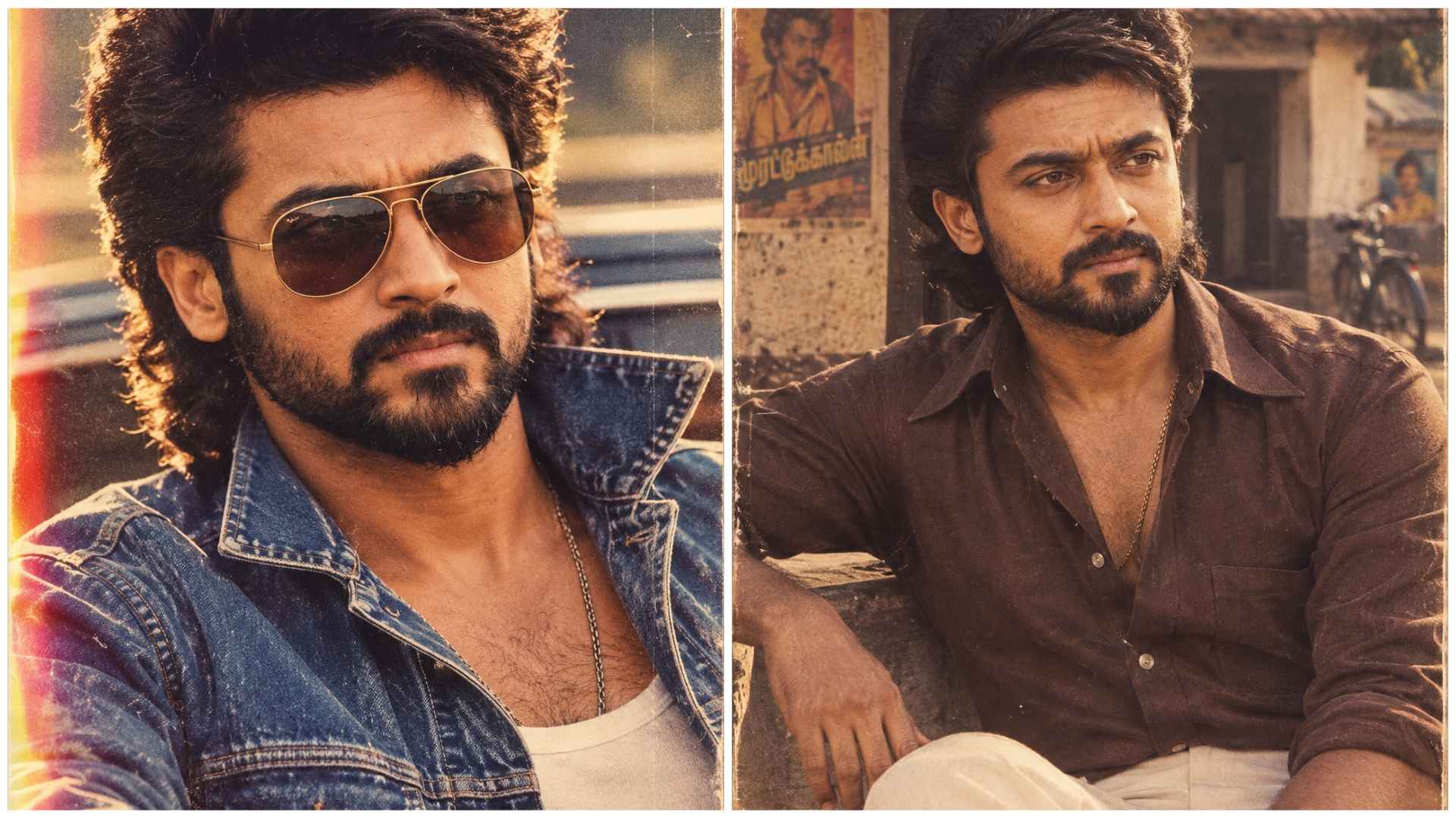
The charm of an 1980s South Indian retro portrait comes from its ability to make a modern photograph feel as though it belongs to another era. The look is instantly recognizable: expressive faces, voluminous hairstyles, classic shirts, traditional streets, warm sunlight, and the soft imperfections of analogue film.
Creating this style successfully requires more than simply adding a vintage filter. The clothing, hairstyle, surroundings, lighting, colours, and photograph texture all need to work together. When these elements are balanced carefully, the final image can have the authentic character of an old Tamil film photograph while still preserving the subject’s recognizable appearance.
What Makes an 1980s South Indian Retro Portrait Authentic?
A convincing retro portrait begins with understanding the visual language of the period.
During the 1980s, portrait photography often had a softer and less digitally perfect appearance than modern photography. Film introduced subtle grain, gentle contrast, slightly muted colours, and occasional variations in exposure.
South Indian cinema also influenced fashion and portrait styles. Men’s hairstyles were often fuller, shirts could feature broad collars, and accessories such as simple chains and classic watches added personality.
The setting is equally important. A portrait taken against a contemporary glass building or modern vehicle can immediately break the illusion. Instead, an old house, narrow street, weathered wall, tiled roof, or traditional storefront can establish the correct period atmosphere.
Classic 1980s Fashion
Clothing is one of the easiest ways to communicate the decade.
For a male portrait, consider a traditional button-up shirt with a slightly wider collar. Earthy shades, deep brown, cream, muted blue, olive, and burgundy can work particularly well with a vintage photographic treatment.
Trousers should have a classic straight or relaxed fit rather than an obviously modern silhouette. Depending on the desired character, a tucked-in shirt, open collar, or slightly relaxed styling can create a convincing period appearance.
Simple accessories are useful too. A modest metal or gold chain, analogue wristwatch, leather belt, or classic shoes can complete the look without making it feel costume-like.
The goal is authenticity rather than exaggeration. Too many stereotypical details can make the photograph appear staged.
Choosing the Right Hairstyle
Hair can dramatically change the perceived era of a portrait.
A fuller, brushed-back hairstyle with natural volume works well for an 1980s South Indian aesthetic. The hair should still look believable for the person’s face shape and existing features.
Avoid making the hairstyle excessively large or theatrical unless you specifically want a dramatic cinema-inspired appearance. A realistic period haircut generally produces a more convincing photograph.
Create an Authentic Tamil Nadu Background
The background can make or break a retro portrait.
For a Tamil Nadu-inspired setting, consider an old residential street with weathered plaster walls, wooden doors, traditional tiled roofs, stone steps, or simple roadside architecture. A quiet village lane can create a very different feeling from an older urban neighbourhood.
Natural environmental details can add realism. For example, an old bicycle, traditional signboard, faded wall paint, trees, or a modest storefront can help establish the period.
However, background elements should remain secondary to the subject. A softly blurred background often works best because it gives the portrait cinematic depth without competing with the face.
Remove Modern Visual Elements
Modern objects can immediately reveal that a photograph is contemporary.
When creating a period-style portrait, look carefully for smartphones, modern cars, contemporary advertising, LED signs, plastic furniture, modern clothing, and newly constructed buildings.
Replacing these elements with historically appropriate surroundings makes the result much more believable.
Use Warm Cinematic Lighting
Lighting is another major part of the retro appearance.
Soft afternoon sunlight can produce an especially effective South Indian film aesthetic. Warm side lighting can emphasize facial structure while creating gentle highlights around the hair and shoulders.
Avoid extremely sharp studio lighting. Vintage photographs generally benefit from softer transitions between highlights and shadows.
For a cinematic portrait, position the subject slightly away from direct overhead sunlight. Side or three-quarter lighting can create depth while maintaining natural skin tones.
A subtle warm cast can then be applied during colour grading. The image should remain believable rather than becoming heavily orange.
Build the Vintage Film Look
An authentic 1980s South Indian retro portrait should have some imperfections.
Natural film grain is one of the most recognizable characteristics. Fine grain can make digitally captured details feel more like analogue photography.
A slightly faded print appearance can also work well. Reduce overly strong digital contrast and introduce gentle tonal variation across the image.
Useful effects include:
- Fine natural film grain
- Slightly faded highlights
- Softened contrast
- Warm colour temperature
- Mild colour shifts
- Subtle dust or scratches
- Gentle edge wear
- Slight exposure variation
- Soft photographic texture
The key is restraint. Heavy scratches, extreme grain, or exaggerated colour effects can make the image look like a preset rather than an old photograph.
Preserve the Person’s Identity
One of the most important parts of a successful portrait transformation is keeping the subject recognizable.
The face should remain consistent in its fundamental characteristics, including facial proportions, eyes, nose, jawline, beard pattern, and overall expression.
Changing the hairstyle and clothing can make the portrait feel completely different while still preserving the person’s identity. This is preferable to altering facial structure unnecessarily.
For example, if the original subject has a strong beard and distinctive eyebrows, those features should remain visible. The retro treatment should enhance the personality already present in the photograph rather than replacing it.
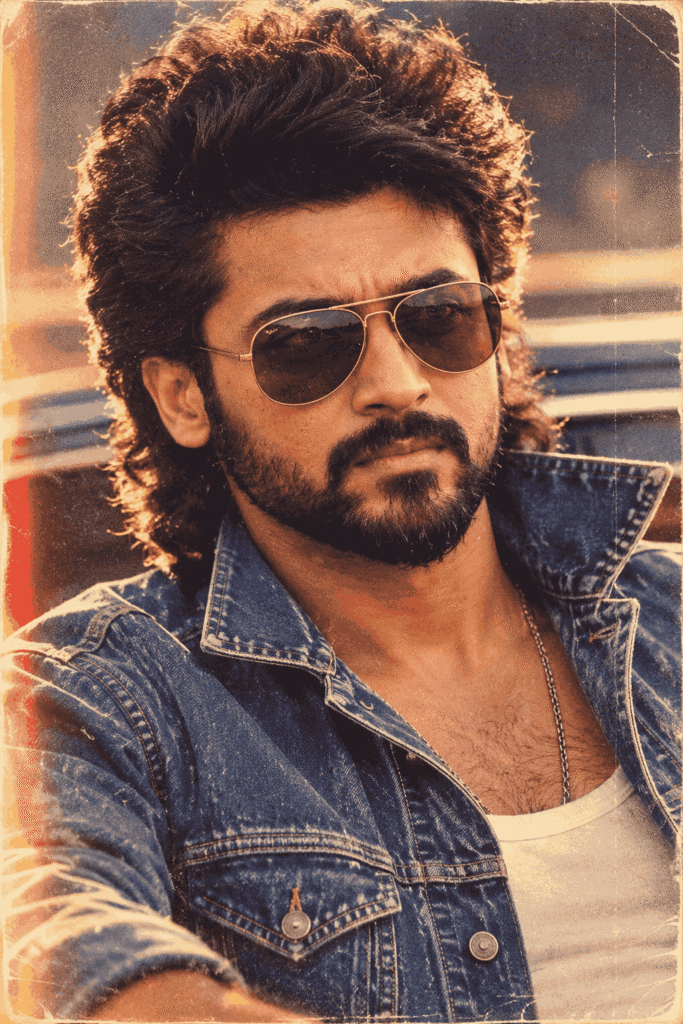
Transform the man in my uploaded photo into a realistic 1980s South Indian retro portrait while keeping his face recognizable. Give him a period-appropriate hairstyle and classic 1980s shirt and trousers. Create the atmosphere of an old Tamil film photograph with warm colours, natural film grain, slightly faded print texture and cinematic lighting. Add an authentic vintage street or old house background from Tamil Nadu. Remove all modern visual elements. Make the final image look like a real photograph taken in the 1980s.
Add Subtle Print Imperfections
Old photographs were physical objects, so they often developed small imperfections over time.
A realistic vintage print can include very subtle fading around the edges, tiny dust marks, fine scratches, and minor variations in density.
These details should not dominate the image. A few imperfections are usually more convincing than covering the entire photograph with artificial damage.
For an especially authentic appearance, imagine that the photograph was printed several decades ago and stored carefully. It may have aged, but the main portrait would still remain clear.
Colour Grading for a Tamil Film Feel
Colour grading should complement the subject and environment.
Warm browns, muted reds, faded greens, cream tones, and restrained blues can create a nostalgic palette. Skin tones should remain natural because unrealistic skin colour is one of the fastest ways to make a vintage effect look artificial.
A slightly reduced saturation can help reproduce the softer appearance of older prints. At the same time, selected colours can retain enough strength to prevent the photograph from appearing dull.
The best result usually feels warm and nostalgic without looking heavily processed.
Practical Tips for Better Results
Start with a clear, high-resolution portrait where the face is well exposed. Good source material makes every later adjustment easier.
Next, establish the period through hairstyle and clothing. Then work on the environment, lighting, and colour palette.
Finally, add film characteristics such as grain and subtle print wear.
A useful workflow is:
- Start with the original portrait.
- Preserve the subject’s facial identity.
- Introduce an appropriate 1980s hairstyle.
- Replace modern clothing with period-inspired fashion.
- Create a Tamil Nadu street or traditional house setting.
- Add warm cinematic lighting.
- Apply restrained vintage colour grading.
- Add natural film grain.
- Introduce subtle print fading and imperfections.
- Check the final image for modern objects or unrealistic details.
Always review the image at full size. Excessive grain or sharpening may look attractive when zoomed out but become distracting when viewed closely.
Why This Style Still Works Today
The popularity of retro photography comes from its emotional quality. Modern images often emphasize sharpness and technical perfection, while vintage photographs have softness and character.
An 1980s South Indian retro portrait can therefore feel personal and cinematic at the same time. It can recall the visual atmosphere of classic Tamil cinema, family albums, old studio portraits, and everyday life from a different generation.
The strongest results do not simply imitate an old photograph. They create the feeling that the photograph genuinely belonged to that period.
Conclusion
Creating an 1980s South Indian retro portrait is about combining several authentic details rather than relying on a single vintage effect. Period-appropriate hair and clothing establish the decade, while Tamil Nadu architecture and street details create the setting. Warm cinematic lighting gives the portrait depth, and restrained film grain, fading, and print imperfections complete the analogue character.
For the most convincing result, keep the person’s original facial identity intact and make every other change support the period. With the right balance of fashion, environment, lighting, colour, and texture, a modern photograph can take on the timeless atmosphere of a classic 1980s Tamil film still.