A beautiful portrait can tell a story without using a single word. The expression in someone’s eyes, the details of traditional jewelry, the movement of long hair, and the atmosphere of the background can transform an ordinary photograph into a memorable visual experience.
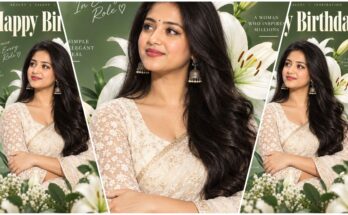
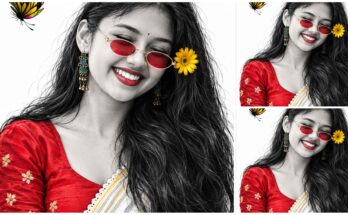
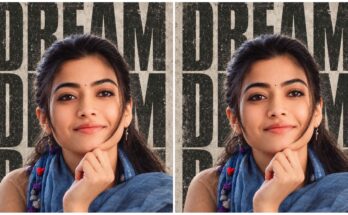
One increasingly popular style is the 9:16 South Indian portrait collage thumbnail. This design combines several photographs of the same person in a single vertical composition, often using three horizontal panels. Each panel highlights a different detail, such as a close-up facial portrait, expressive eyes, or a wider photograph showing traditional clothing and accessories.
Whether you create content for Instagram Reels, YouTube Shorts, photography portfolios, or personal social media pages, understanding this composition can help you produce more attractive and professional-looking thumbnails.
What Is a 9:16 Portrait Collage Thumbnail?
A 9:16 portrait collage is a vertical image with a height greater than its width. It is commonly used for mobile-first content because it fills most smartphone screens.
A three-panel collage divides the image into three horizontal sections. Instead of presenting one photograph, the design creates a visual sequence that reveals different aspects of the same subject.
For example:
- Top panel: A close-up portrait highlighting the face, hairstyle, earrings, and expression.
- Middle panel: An extreme close-up focusing on the eyes, eyebrows, eyeliner, and binding.
- Bottom panel: A wider portrait showing the upper body, traditional outfit, jewelry, and pose.
Together, these panels create a cohesive editorial design that feels more detailed and engaging than a single photograph.
Why South Indian Portrait Collages Are Popular
South Indian portrait photography often features expressive eyes, traditional accessories, elegant clothing, and rich natural colors. These elements work particularly well in close-up compositions.
Traditional jhumka earrings, oxidized-silver bangles, small binds, embroidered fabrics, and long dark hair can provide visual texture without requiring a complicated background.
A three-panel arrangement also offers variety. One image can highlight facial expression, another can emphasize eye details, and the final image can show the overall styling.
The key is balance. Every panel should contribute something different while maintaining the same visual identity, color palette, and photographic atmosphere.
How to Plan the Perfect Three-Panel Layout
Before editing, decide how much space each panel should occupy. The proportions do not have to be identical because different photographs benefit from different amounts of space.
1. Design the top panel
Use a close-up portrait that immediately attracts attention. The face should be clearly visible, with the eyes, lips, hairstyle, and jewelry in sharp focus.
A hand gently touching the hair or adjusting an earring can create a natural, candid feeling. Keep the fingers relaxed and anatomically realistic.
A softly blurred orange-brown background can complement warm skin tones while allowing dark hair and silver jewelry to stand out.
2. Make the middle panel about the eyes
The middle section should provide a noticeable change in perspective.
Crop closely around the forehead and eyes, preserving the eyebrow shape, eyelashes, eyeliner, and natural skin texture. If the subject wears a binding, maintain its original placement and size.
Avoid excessive sharpening or artificial skin smoothing. Fine details should look photographic rather than digitally painted.
3. Finish with a wider portrait
The bottom panel can show the subject from the chest upward. This allows viewers to appreciate the clothing, hairstyle, jewelry, and overall pose.
Keep the face consistent with the other panels. Differences in camera angle and expression are natural, but changing facial proportions or eye shape can make the collage look less cohesive.
Preserving Realistic Facial Details
Facial consistency is one of the most important parts of a convincing portrait collage.
When working with a reference photograph, pay attention to the following details:
- Eye shape, spacing, and natural catch lights.
- Eyebrow thickness and direction.
- Nose shape and facial proportions.
- Lip shape, color, and natural expression.
- Skin tone and realistic skin texture.
- Hairline, parting, and direction of hair growth.
Avoid applying different beauty filters to individual panels. A warm filter on one image and a cool filter on another can make the same person appear visually inconsistent.
For the best result, compare the panels side by side during editing. Small corrections to exposure, color temperature, and contrast can help the photographs feel like parts of the same series.
Choosing Traditional Jewelry and Clothing
Accessories often provide the distinctive character of a South Indian portrait.
Oxidized-silver jhumka earrings work well because their engraved surfaces and small hanging details create texture. Stacked bangles can add visual interest to a raised hand, while pearl-like accents introduce subtle highlights.
White or cream traditional clothing offers a useful contrast against dark hair and a warm background. Embroidered fabric can add detail without overwhelming the face.
For a natural result, preserve the original shape and placement of the accessories whenever possible. Jewelry should follow the ear, wrist, and body naturally rather than appearing to float.
Pay particular attention to hands. Fingers should have realistic lengths, joints, and positions, especially when the subject is touching her hair or adjusting an earring.
Using Lighting and Background Colors
Lighting determines whether a portrait feels natural, dramatic, or artificial.
Soft, diffused lighting is generally effective for close-up portraits because it reveals facial details without creating harsh shadows. Gentle highlights on the forehead, cheeks, and nose can create a subtle glow.
For a nostalgic photographic look, try combining warm peach skin tones with amber-brown background elements, muted dark shadows, and soft whites.
Creating a cinematic background
A blurred background helps separate the subject from the environment. Vertical architectural elements, distant lights, or warm Booker can provide depth without distracting from the face.
Keep the background slightly darker than the subject when appropriate. However, avoid making the shadows so dark that the hair and jewelry lose their visible details.
A restrained color grade usually works better than excessive saturation. Natural skin tones, deep blacks, and carefully controlled highlights make the finished image feel more authentic.
Best Tools for Editing a Portrait Collage
Several editing applications can help you build a vertical collage.
Canvass is useful for arranging images, setting dimensions, and creating clean panel divisions.
Adobe Photos hop offers more control over precise cropping, color correction, background adjustments, and detailed retouching.
Adobe Lightproof is helpful for matching exposure, contrast, white balance, and color grading across photographs.
Snap seed is a convenient mobile option for basic image adjustments, selective corrections, and sharpening.
Choose an application based on your experience and the amount of control you need. Beginners can start with a simple collage editor, while advanced users may prefer layers and masking tools.
Recommended 9:16 Export Settings
For a vertical portrait collage, a practical export size is 1080 × 1920 pixels. This maintains the 9:16 aspect ratio and works well for many mobile social media formats.
For a clean final result:
- Set the canvas to 1080 × 1920 pixels.
- Align all three panels carefully.
- Use thin, consistent separators between sections.
- Check facial details at full size.
- Remove accidental borders, unwanted text, and distracting artifacts.
- Export as a high-quality JPEG or PING, depending on the platform and intended use.
Remember that exporting an image at a larger resolution does not automatically restore missing details. Start with the highest-quality source image available and avoid repeatedly saving compressed JPEG files.

has perfect facial details as reference image,Create an ultra-realistic vertical photographic collage featuring the same young South Asian woman repeated across three horizontally segmented close-up portrait frames. Preserve the exact visual composition, facial proportions, jewelry, clothing, hairstyle, pose, camera perspective, lighting, color grading, and soft vintage-camera aesthetic shown in the reference.

Overall Composition

A 9:16 vertical three-panel collage, with three horizontal photographic sections stacked vertically:

Top panel: approximately the upper 38–39% of the image.

Middle panel: approximately 25–26% of the image.

Bottom panel: approximately 35–36% of the image.


The panels are separated by thin horizontal transition/seam lines, creating a continuous editorial collage effect. The woman appears in different crops/poses within the panels, but all three sections depict the same person and same overall setting.

The image should have a soft, slightly dreamy, warm vintage digital-camera / early smartphone-photo aesthetic, subtle softness, mild bloom, gentle highlights, slightly muted contrast, warm skin tones and a faint nostalgic photographic feel.


---

TOP PANEL

Show an extreme close-up portrait cropped from approximately the woman's upper chest/shoulder upward.

The woman is positioned predominantly toward the right side of the frame, with only the right portion of her face fully visible due to the tight crop. Her face is turned slightly toward the camera.

She has:

long, straight, dark black hair falling naturally behind her

smooth warm medium-light South Asian skin

large dark brown eyes

defined dark eyebrows

subtle black eyeliner

naturally long eyelashes

soft warm blush

deep reddish-maroon lipstick

a small, subtle smile / relaxed lips


Her left hand is raised beside her ear, with her fingers gently touching or adjusting her dangling earring.

Her wrist contains multiple stacked silver traditional bangles, including intricate engraved/textured metallic bangles and several small pearl-like bead details.

She wears a large ornate oxidized-silver jhumka earring, highly detailed with:

dark metallic silver construction

dome-shaped lower section

intricate ornamental patterns

tiny hanging metallic elements

textured traditional Indian craftsmanship


The upper-left/background area is dark and softly blurred, with a warm orange-brown vertical architectural/interior element visible behind her. Strong shallow depth of field keeps the woman sharp while the background remains heavily blurred.


---

MIDDLE PANEL

Create an extreme close-up crop centered primarily on her eyes and eyebrows.

The woman's forehead and upper face dominate the frame.

Visible details:

thick naturally shaped dark eyebrows

large expressive dark brown/black eyes

prominent black eyeliner/kohl around the eyes

long eyelashes

soft warm skin texture

subtle highlight on the bridge of the nose

a small round black bindi centered above the eyebrows

dark hair framing the upper sides of her forehead


Her gaze is directed naturally toward the camera.

The framing should be symmetrical enough to emphasize both eyes, while maintaining the organic photographic composition of the reference.

Use a very shallow depth of field, soft skin rendering, warm peach/orange grading and gentle photographic blur.


---

BOTTOM PANEL

Show a larger portrait of the same woman from approximately the upper torso/chest upward.

Her body is angled slightly while her face is turned toward the camera. She is positioned predominantly toward the center-right.

Her right/left arm is raised toward the side of her head, with her hand positioned near her ear/hair.

Clearly preserve:

long straight black hair

dark expressive eyes

thick eyebrows

black eyeliner

small round black bindi

deep reddish-maroon lipstick

subtle natural smile

warm South Asian complexion

delicate facial proportions


She wears the same large oxidized-silver jhumka earrings and multiple stacked silver bangles around the raised wrist.

Her clothing is a plain white traditional-style top/kurta, with subtle fabric texture and a small V-shaped/notched neckline visible near the lower center-right.

The white garment should have natural folds and soft textile texture rather than appearing digitally smooth.

The background remains dark, warm and softly blurred, maintaining visual continuity with the upper panel.


---

Jewelry Accuracy

The jewelry is a major visual feature and must remain highly detailed.

Use traditional oxidized silver Indian jewelry, especially:

large ornate jhumka earrings

engraved silver bangles

stacked bracelets

small pearl/beaded accents around the bangles

intricate handcrafted metallic texture


Do not simplify the jewelry into generic accessories.


---

Lighting

Use soft diffused indoor lighting coming primarily from the front/side.

Lighting characteristics:

warm skin illumination

soft highlights on forehead, cheeks and nose

gentle shadows

no harsh studio lighting

no dramatic rim light

subtle natural glow

slightly overexposed/highlight-softened vintage photographic appearance


---

Camera & Lens

Simulate a close-range smartphone / compact digital-camera portrait with:

approximately 50–85mm equivalent portrait perspective for the wider portrait

macro-like close-up perspective for the eye panel

shallow depth of field

realistic facial perspective

natural optical softness

subtle lens bloom

gentle background bokeh

no fisheye distortion

no exaggerated wide-angle facial distortion


The framing must feel like an authentic candid portrait photograph rather than a studio fashion shoot.


---

Color & Image Treatment

Apply a cohesive warm nostalgic color grade:

warm peach skin tones

muted dark teal/green-black shadows

warm orange-brown background

soft whites

slightly desaturated overall colors

subtle film-like grain

gentle highlight bloom

low-to-medium contrast

slightly hazy photographic softness

mild vintage digital-camera character


Keep skin realistic and avoid excessive airbrushing.


---

CRITICAL PRESERVATION RULES

Preserve exactly:

three-panel vertical composition

horizontal panel divisions

woman's facial structure and proportions

hairstyle and hair direction

eye shape and eyeliner

eyebrow shape

bindi placement

lipstick color

earrings and jewelry design

silver bangles

hand-to-ear gesture

white clothing

crop and framing

background darkness and warm orange-brown elements

warm nostalgic color grading

soft-focus photographic quality

natural skin texture

realistic anatomy

realistic hands and fingers

consistent identity across all three panels


Do not add: text, captions, typography, logos, watermark, extra people, extra jewelry, flowers, decorative graphics, borders, artificial effects, fantasy elements, or unrelated objects.

Do not change: the woman's apparent age, facial proportions, hairstyle, jewelry style, clothing style, pose structure, or overall composition.

Final result: an authentic-looking 9:16 three-panel South Asian portrait collage, extremely close to the reference in composition and visual character, with realistic photography, detailed traditional jewelry, expressive eyes, warm nostalgic grading and soft vintage-camera aesthetics.
Common Mistakes to Avoid
Even an attractive composition can lose quality when small details are overlooked.
Inconsistent facial appearance: Different facial proportions or eye shapes can make the panels feel unrelated. Use the reference photograph consistently when editing.
Excessive retouching: Heavy smoothing removes natural skin texture and makes faces look artificial.
Poor panel spacing: Uneven divisions can disrupt the overall composition. Keep the transitions clean and deliberate.
Overly bright colors: Excessive saturation can make skin tones unnatural and cause traditional clothing to lose its subtle texture.
Distracting backgrounds: Busy surroundings compete with the subject. Use shallow depth of field or restrained background editing to keep attention on the portrait.
Low-quality exports: Blurry details and compression artifacts become especially noticeable in extreme close-ups.
Taking a few minutes to inspect the complete collage before exporting can prevent many of these problems.
Conclusion
Creating a beautiful 9:16 South Indian portrait collage thumbnail requires more than placing three photographs together. The strongest designs combine consistent facial details, expressive close-ups, carefully styled traditional jewelry, realistic lighting, and a coordinated color palette.
Start with a clear three-panel layout, preserve natural skin texture, and make every section serve a distinct visual purpose. Use warm backgrounds and soft lighting to complement the subject, then finish with precise cropping and high-quality export settings.
With thoughtful composition and careful editing, you can turn a simple portrait into an elegant vertical collage suitable for social media, photography portfolios, and personal creative projects. Begin with a favoritism reference photograph, experiment with different crops, and refine the details until the entire composition feels natural, balanced, and visually connected.